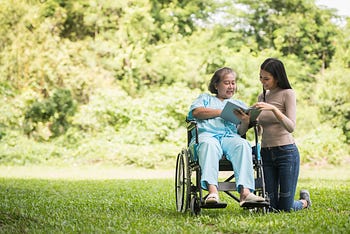
Creating inclusive spaces in NDIS short-term accommodation requires cultural sensitivity and awareness. By embracing diversity and respecting cultural differences, accommodation providers can foster a welcoming environment where residents feel valued and supported. In this blog post, we’ll explore the importance of cultural sensitivity in NDIS short-term accommodation and discuss strategies for promoting inclusivity and diversity within accommodation settings.
- Respecting Diversity: Acknowledging and respecting the diverse cultural backgrounds, traditions, and beliefs of residents is essential for creating an inclusive environment in NDIS short-term accommodation.
- Cultural Awareness: Developing cultural awareness among staff members enables accommodation providers to recognize and appreciate the unique needs and preferences of residents from different cultural backgrounds.
Promoting Inclusivity:
- Cultural Competency Training: Providing cultural competency training for staff members enhances their ability to effectively communicate and engage with residents from diverse cultural backgrounds, promoting mutual understanding and respect.
- Celebrating Cultural Festivals: Organizing cultural events and celebrations that highlight the traditions, cuisines, and customs of residents’ cultures fosters a sense of belonging and inclusivity within the accommodation community.
Creating Safe Spaces:
- Cultural Sensitivity Policies: Implementing policies and guidelines that promote cultural sensitivity and prohibit discrimination ensures that all residents feel safe and respected within the accommodation setting.
- Language Access: Offering language interpretation services and translated materials ensures that residents with limited English proficiency can effectively communicate their needs and preferences, promoting equal access to services and support.
Building Cultural Bridges:
- Cross-Cultural Dialogue: Facilitating open and respectful dialogue among residents from different cultural backgrounds encourages the exchange of perspectives and promotes intercultural understanding and empathy.
- Community Engagement: Engaging with local cultural organizations and community groups enables accommodation providers to build partnerships and access resources that support the cultural integration and well-being of residents.
Ensuring Equitable Treatment:
- Fair Allocation of Resources: Ensuring equitable access to resources and amenities regardless of cultural background or identity promotes fairness and prevents marginalization within the accommodation community.
- Addressing Cultural Barriers: Proactively identifying and addressing cultural barriers to access and participation in accommodation programs ensures that all residents can fully engage and benefit from available services and support.
Cultural sensitivity is essential for creating inclusive and welcoming spaces in NDIS short-term accommodation. By embracing diversity, promoting inclusivity, and building cultural bridges, accommodation providers can cultivate a supportive environment where all residents feel respected, valued, and empowered.
If you’re seeking culturally sensitive NDIS short-term accommodation that celebrates diversity and promotes inclusivity, reach out to us today. Our dedicated team is committed to creating a welcoming environment where residents from all cultural backgrounds can thrive.
Comments
Post a Comment