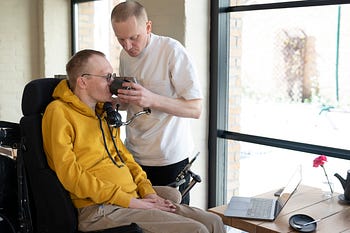
Breaking Barriers: Ensuring Accessibility in NDIS Short-Term Accommodation


Ensuring accessibility is paramount in NDIS short-term accommodation. Overcoming barriers enhances inclusivity and fosters independence for individuals with disabilities. In this blog post, we’ll explore strategies for breaking barriers and ensuring accessibility in NDIS short-term accommodation settings.

Understanding Accessibility Needs:

  1. Identifying Challenges: Recognizing the diverse accessibility needs of individuals with disabilities is essential. This includes physical, sensory, and cognitive challenges that may impact their ability to navigate and engage with their environment.
  2. Addressing Communication Barriers: Communication barriers, such as language differences or speech impairments, can hinder effective interaction. Utilizing alternative communication methods, such as visual aids or assistive technology, can help overcome these barriers.

Creating Inclusive Environments:

  1. Physical Accessibility: Implementing features like ramps, widened doorways, and accessible bathrooms ensures physical accessibility for individuals with mobility impairments. These modifications enable independence and enhance safety within the accommodation setting.
  2. Sensory Considerations: Catering to sensory needs, such as providing quiet spaces or tactile signage, promotes comfort and reduces sensory overload for individuals with sensory sensitivities. Creating a sensory-friendly environment enhances the overall accessibility of the accommodation.

Promoting Universal Design:

  1. Embracing Universal Design Principles: Integrating universal design principles ensures that accommodations are accessible to individuals of all abilities. Features like lever door handles, adjustable countertops, and contrasting colors enhance usability for everyone.
  2. Collaborating with Accessibility Experts: Seeking guidance from accessibility experts during the design and construction phases of short-term accommodation projects ensures compliance with accessibility standards and promotes best practices in universal design.

Empowering Independence:

  1. Personalized Support Services: Tailoring support services to individual needs promotes independence and autonomy. Providing assistance with daily tasks while encouraging self-determination empowers individuals to live more independently within their accommodation.
  2. Assistive Technology Integration: Incorporating assistive technology solutions, such as smart home devices or communication aids, enhances accessibility and facilitates greater independence for individuals with disabilities. These technologies enable individuals to control their environment and access support more efficiently.

Breaking barriers and ensuring accessibility in NDIS short-term accommodation is essential for fostering inclusivity and promoting independence. By addressing diverse accessibility needs, creating inclusive environments, promoting universal design principles, and empowering independence, we can create accommodation settings that meet the needs of individuals with disabilities effectively.

If you’re seeking accessible NDIS short-term accommodation for yourself or a loved one, our team is here to help. Contact us today to learn more about our accessible accommodation options and how we can support your accessibility needs.

Comments

Popular posts from this blog

Why Choosing a Registered NDIS Provider for Home Care Services Matters?

Choosing a registered NDIS service provider Melbourne is among the most crucial choices that participants and their families can make. A registered provider satisfies stringent requirements established by the National Disability Insurance Scheme (NDIS), offering guarantees in areas such as funding transparency, safety, and quality. This blog discusses the importance of collaborating with a registered provider and how it directly affects the care you receive. What Is a Registered NDIS Provider? An organization or individual authorized by the NDIS Quality and Safeguards Commission to provide funded services is known as a registered NDIS provider. These providers must pass a formal registration process that includes compliance evaluations, staff checks, and audits. This guarantees that they uphold high care standards and adhere to the NDIS Code of Conduct. Why Is It Important to Choose a Registered Provider? 1. Better Quality and Safety The NDIS Commission conducts routine audits of regi...

What are the different types of specialist disability accommodation?

When searching for Disability Accommodation in Melbourne , it’s important to understand the variety of housing options available. These are tailored to meet the unique needs of individuals with different levels of disability and support requirements. This blog will answer key questions about what specialist disability accommodation is, the categories of accommodation available for NDIS participants, and the different classes of disability. What is specialist disability accommodation? SDA housing refers to accommodation specifically designed for people with extremely high levels of functional impairment or very high support needs. In Disability Accommodation Melbourne, such homes are allocated with features that enable more independent lifestyle and provision for required support in a safer and more effective way. SDA homes incorporate specific features like wider doors and step-free access, among other adjustments, in order to promote accessibility. Individuals with higher needs can li...

What Are the Daily Kids Activities for NDIS?

Supports that enable participants to live more independently are referred to as NDIS daily activities. These consist of structured therapy, community access, skill development, and self-care. What Daily Activities Does NDIS Fund? NDIS funds various daily living supports under Core Supports and Capacity Building, including: Personal care : showering, grooming, dressing Meal preparation : cooking, dietary support Household tasks : cleaning, laundry, home upkeep Mobility support : travel to appointments or work Skill-building : cooking, budgeting, communication Community activities : social groups, volunteering NDIS plans are personalised. Support is based on your goals and what’s considered "reasonable and necessary." What Are NDIS Funded Activities for Kids? The NDIS offers a wide range of ndis funded activities for kids, such as: Speech therapy, physiotherapy, or occupational therapy Sensory play or social skill development programs Music, art, or dance classes with therapeut...