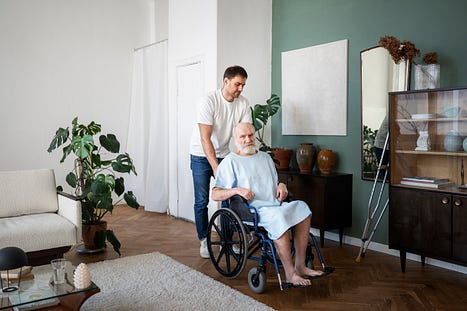
Introduction: Creating a home that is accessible and supportive is essential for individuals with disabilities to lead independent and fulfilling lives. In Melbourne, the National Disability Insurance Scheme (NDIS) offers a range of disability accommodation options designed to make homes accessible and tailored to the unique needs of individuals. Let’s delve into the significance of accessible housing and explore the NDIS disability accommodation options available in Melbourne.
The Significance of Accessible Housing: Accessible housing is vital for fostering independence, safety, and inclusion among individuals with disabilities. By providing a living space that is designed or adapted to meet their specific needs, accessible housing enables residents to move around freely, carry out daily tasks with ease, and live comfortably. Features such as wheelchair ramps, widened doorways, and accessible bathrooms and kitchens eliminate physical barriers, empowering individuals to navigate their living environment independently and participate fully in their community.
NDIS Disability Accommodation Options in Melbourne: Melbourne offers a diverse range of NDIS disability accommodation options to meet the varying needs of individuals with disabilities:
- Supported Independent Living (SIL): SIL provides individuals with disabilities the opportunity to live independently in a shared or individual setting while receiving tailored support services. These services may include assistance with personal care, household chores, and community participation, empowering residents to lead autonomous lives.
- Specialist Disability Accommodation (SDA): SDA is designed for individuals with complex support needs who require specialized housing solutions. These accommodations are purpose-built or modified to incorporate accessibility features and assistive technologies, ensuring residents can live safely and comfortably.
- Short-Term Accommodation (Respite): Short-term accommodation offers temporary stays for individuals with disabilities who require support or relief for their primary caregivers. These accommodations provide individuals with the opportunity to experience independent living while receiving the necessary support and assistance.
- Transitional Accommodation: Transitional accommodation provides short-term housing and support for individuals transitioning between living arrangements or experiencing homelessness. These accommodations offer stability and assistance in accessing long-term housing solutions.
Creating Accessible Homes with Caring Hearts: At Caring Hearts, we understand the importance of accessible housing in promoting independence and inclusion for individuals with disabilities. Our experienced team is dedicated to helping individuals access NDIS disability accommodation options that are tailored to their unique needs and preferences. Whether you’re seeking SIL, SDA, short-term accommodation, or transitional housing, we’re here to support you every step of the way.
Conclusion: Accessible housing is essential for individuals with disabilities to live independently and participate fully in community life. In Melbourne, the NDIS offers a range of disability accommodation options designed to make homes accessible and supportive. By partnering with experienced providers like Caring Hearts, individuals can access the resources and support they need to create a home that is accessible, safe, and empowering.
Ready to make your home accessible and supportive? Contact Caring Hearts today to explore NDIS disability accommodation options in Melbourne. Let us help you create a living environment that promotes independence, inclusion, and well-being.
Comments
Post a Comment